Colorado’s proposal to bar the use of Supplemental Nutrition Assistance Program (SNAP) benefits to buy soda and most sugary drinks was delayed by the state’s human services board after hours of contentious testimony and opposition from advocacy groups and some Democrats, pushing the timeline beyond a planned start in late April.
Why It Matters
The decision affects about 600,000 Coloradans who receive SNAP, roughly 10 percent of the state’s population, and is part of a broader national shift as the U.S. Department of Agriculture (USDA) has approved multiple state waivers to restrict sweetened beverages and similar products.
Supporters, including some physicians and state health leaders, argue the change could reduce chronic disease risk and future Medicaid spending, while opponents warn it could stigmatize shoppers, burden retailers, and increase food insecurity.
What To Know
Democratic Governor Jared Polis’ administration secured approval from the U.S. Department of Agriculture, which oversees that program, in August for a “Healthy Choice” waiver to prohibit SNAP purchases of soda and beverages with added sugars or artificial sweeteners, but the state’s Board of Human Services must adopt rules before it can take effect.
After nearly seven to eight hours of testimony and deliberation this week, the nine-member board voted 8-1 to delay a decision until its next meeting, with several members signaling opposition before the vote in April.
The waiver, if adopted, would allow SNAP to cover beverages containing milk, plant-based milk substitutes, or at least 50 percent juice, but would exclude diet and full-sugar sodas and most sweetened drinks, while leaving chocolate milk and unsweetened seltzers eligible.
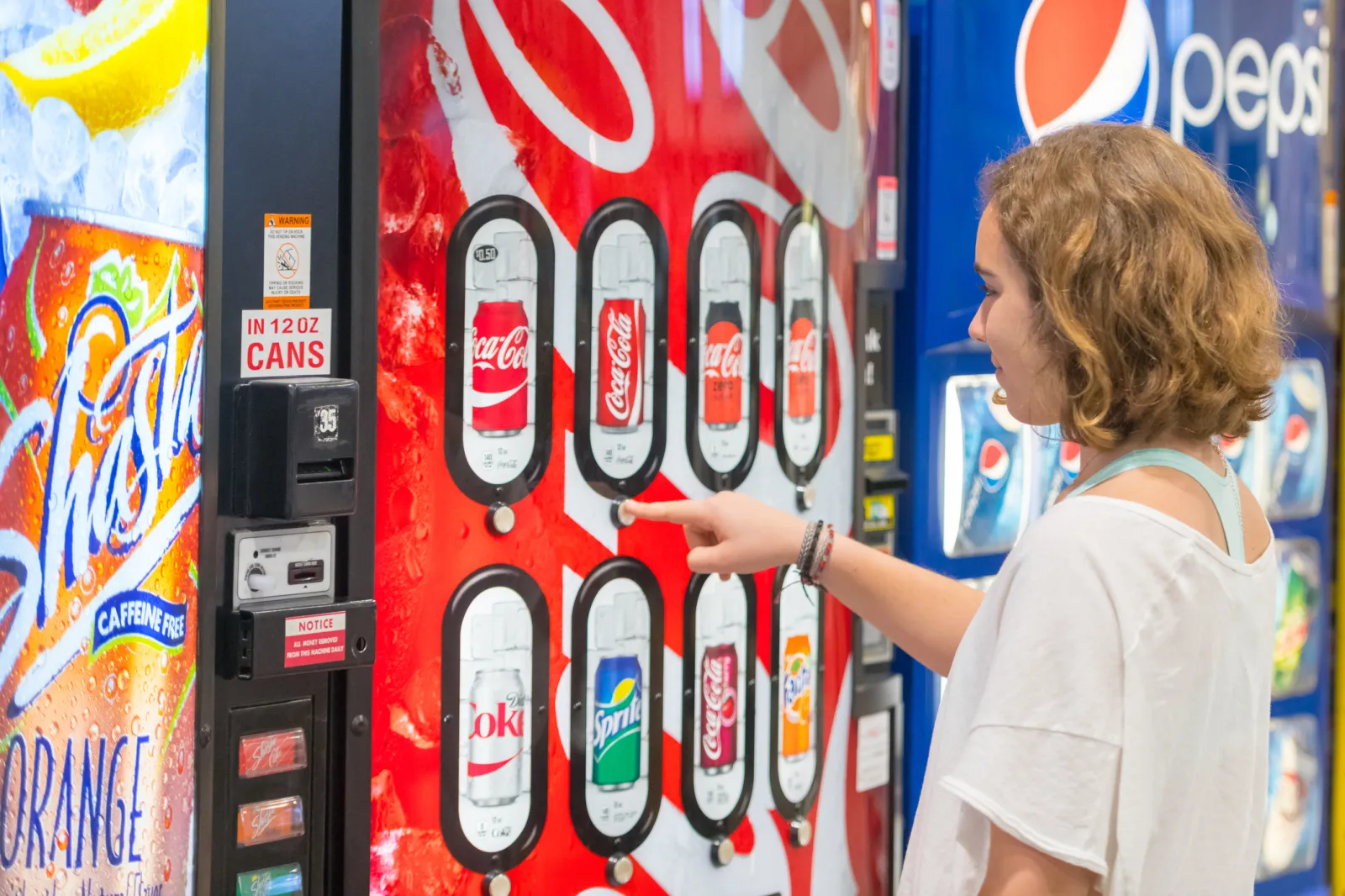
State officials said sweetened beverages account for roughly 9 percent of SNAP spending in Colorado and are the second-highest purchase category after meat and seafood, while soft drinks rank fifth among non-SNAP shoppers.
The Colorado Department of Human Services presented research linking sugary drinks to Type 2 diabetes, heart disease, dental problems, and behavioral and sleep issues, framing the policy as aligning SNAP with existing bans on alcohol and tobacco purchases using benefits.
Opposition included Save the Children Action Network, Hunger Free Colorado, homeless advocacy groups, and 27 Democratic lawmakers who warned of added burdens for small and rural retailers and potential increases in hunger. Hunger Free Colorado also cautioned that the rule’s technical thresholds, such as a 50 percent juice requirement, could confuse shoppers, including those without smartphones or English proficiency, and might even bar items like flavored mineral water or hydration drinks.
USDA under the Trump administration has encouraged states to seek food restriction waivers as part of a push to focus on healthier eating. The federal government most recently approved waivers for Kansas, Nevada, Ohio, and Wyoming on March 4, bringing the total states with waivers to 22.
What People Are Saying
Julie Hall, program director for the Homelessness Awareness and Action Task Force in Englewood, wrote in a letter to the board: “They deserve the dignity of choice—the ability to walk into a store, select food they will enjoy, and purchase it with confidence, without fear of being denied or shamed at the register."
Food Action & Research Center said in analysis of the policy: "If policymakers seek to improve health outcomes, they should act based on solid evidence—which supports strengthening SNAP benefit adequacy, improving program access, and investing in nutrition education—rather than imposing complex restrictions based on uncertain evidence and a single foreign study."
Dr. Ned Calonge, chief medical officer of the Colorado Department of Public Health and Environment, said soda has “almost no nutritional value” and daily consumption increases risk of heart disease and cancer, describing the policy as ending a subsidy for unhealthy drinks.
Kim Bimestefer, executive director of the Colorado Department of Health Care Policy and Financing, said: “Please pass this rule so Colorado stops fiscally fueling distribution of beverages that propel the chronic diseases that impact the low-income Coloradans who we cover and serve."
What Happens Next
If implemented, the new SNAP rules will come into force on April 30.
Update 3/9/26, 12:15 p.m. ET: This article has been updated to include the full name of Save the Children Action Network.